Vai al contenuto principale

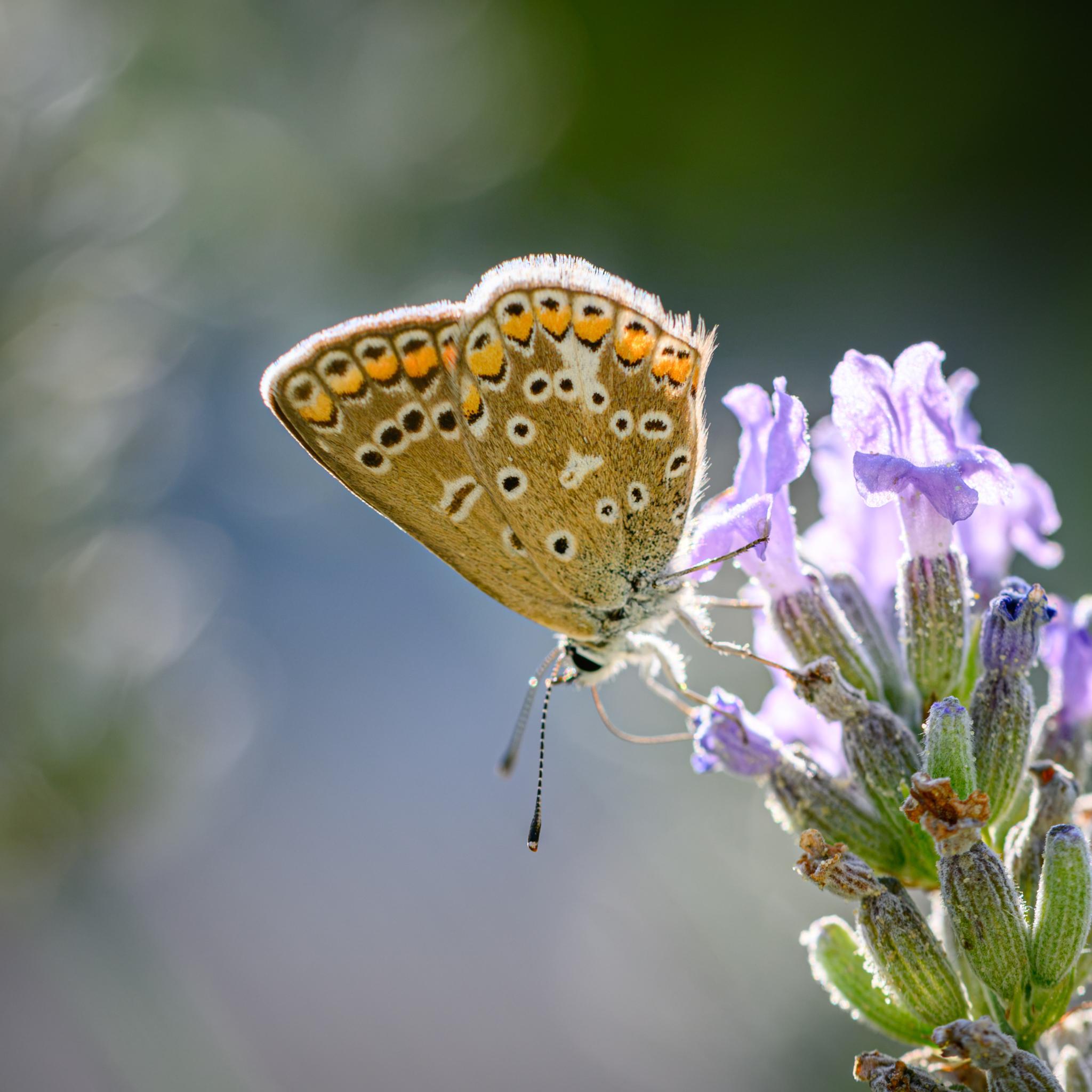
Holding back the mystery for a while longer, here's a common blue butterfly (Polyommatus icarus; 🇩🇪 Hauhechel-Bläuling) feeding from the last of the lavender flowers.

I think it's a female, but need to check more carefully.

🏰
📷️️️️️️️️️️️️️️️️️️️️️️️️️️️️️️️️️️️️️️️️️️️️️️️️️️️️️️️️️️️️️️️️️️️️️️️️️️️️️️️️️️️️️️️️️️️️️️️️️️️️️️️️️️️️️️️️️️️️️️️️️️️️️️️️️️️️️️️️️️️️️️️️️️️️️️️️️️️️️️️️️️️️
🐞
🔬
🪰
🪲

A small butterfly seen side on with its wings folded, feeding from some purple lavender flowers. The undersides of the wings are seen, mostly light brown, but with a distinctive pattern of black spots outlined in white, with red patches also involved in the spots along the trailing edges of the wings. The body and legs of the butterfly are hairy white, it has black compound eyes, and black and white banded antennae, with black clubs and white tips at the end.

#photography #macrophotography #bugoftheday #heidelberg #insectsofmastodon #backgardenentomology

22

Caricamento...

2
12

Caricamento...

Commenti (2)

Similarly, this is not a new species, but some nice pictures of the ornate-tailed digger wasp (Cerceris rybyensis; 🇩🇪 Bienenjagende Knotenwespe) all the same.

🏰
📷️️️️️️️️️️️️️️️️️️️️️️️️️️️️️️️️️️️️️️️️️️️️️️️️️️️️️️️️️️️️️️️️️️️️️️️️️️️️️️️️️️️️️️️️️️️️️️️️️️️️️️️️️️️️️️️️️️️️️️️️️️️️️️️️️️️️️️️️️️️️️️️️️️️️️️️️️️️️️️️️️️️️️
🐞
🔬
🪰
🪲

A wasp seen from behind on some purple-blue flowers. The thorax and abdomen are mostly black, covered with many small dimples. The thorax has a few yellow patches and bands, while the abdomen has a number of wider yellow bands. There are also some small light hairs. The wings are grey-amber clear, while the legs are black, yellow, and amber, with many spines. The same wasp seen from above and in front, showing the black head with a yellow face or clypeus. The antennae are dark black-brown and fairly short, getting thicker along their length. More of the yellow patches can be seen on the thorax, along with some white spherical pollen. The wasp seen from behind, showing more detail of the yellow banding on the black abdomen, and of the dark clear wings.
0