
Peratallada
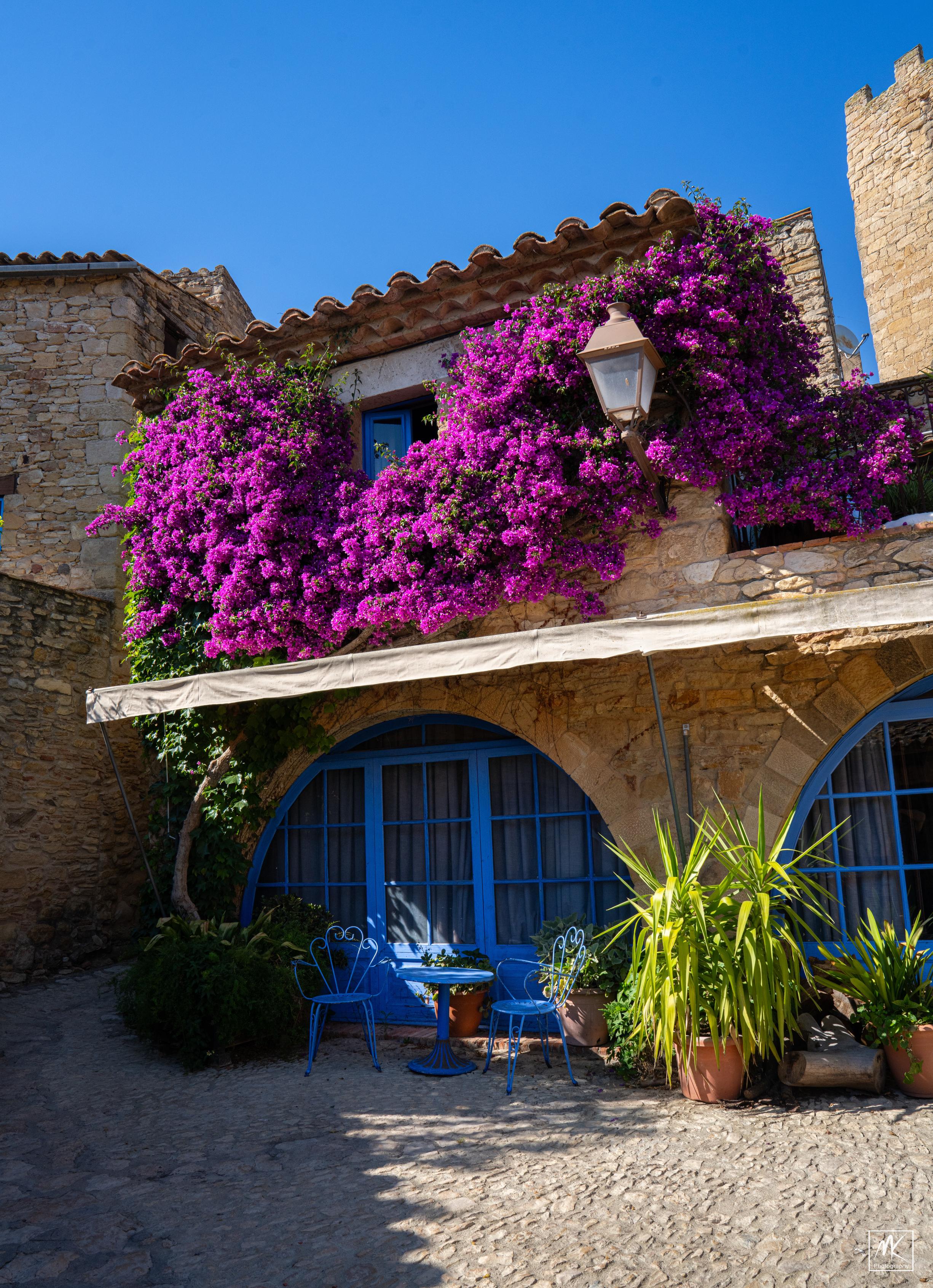
Peratallada

The Southern China itinerary is China’s most atmospheric journey — from the jade‑green Li River and the stilt houses of Fenghuang to the surreal sands
Altro...The Southern China itinerary is China’s most atmospheric journey — from the jade‑green Li River and the stilt houses of Fenghuang to the surreal sandstone pillars of Zhangjiajie, the classical villages of Hongcun and Xidi, and the poetic refinement of Hangzhou and Suzhou. It blends iconic landscapes, ancient towns, sacred mountains, and Jiangnan elegance into one of the richest and most visually stunning routes in the country.
Author & Photographer: George Mitchell
Our itineraries, photos, and advice come from spending four months travelling through China, Hong Kong, and Taiwan during our three‑year round‑the‑world backpacking trip. We are students of art and architecture, culture and cuisine. Those months were a deep immersion into the geography, history, culture, and cuisine of the region — and they completely reshaped how we understood China. Our advice is not influenced by affiliate links — we have none.
Two Best ItinerariesIt is difficult for first time travellers who only have two or three weeks to decide on the best route. We have designed two itineraries to meet your needs — the three-week Southern China Itinerary and the two-week Southern China Short Itinerary. These itineraries are arguably the strongest choice if you want combine scenery with history, culture with cuisine.
Southern China Itinerary
Custom Maps: Southern China Map
The points of interest mentioned in these posts are appended with their Google Maps Ratings, which range from G0 to G5. The place suffix 4N means 4 nights.
Guilin Sunset, China
Southern China offers one of the best journeys into what many imagine as “traditional China,” with misty rivers, ancient towns, and classical villages. This 22-night itinerary offers the jade‑green Li River, the atmospheric lanes of Fenghuang Ancient Town, the surreal sandstone pillars of Zhangjiajie, and the UNESCO‑listed villages of Hongcun and Xidi—before continuing east to the cultural refinement of Hangzhou and Suzhou.
Li Jiang (River) — 2NKarst Mountain Views, Guilin
The Li Jiang (River) cuts through karst mountain scenery (G4.6) from Guilin to Yangshuo. A slow cruise or bamboo raft reveals jade‑green water winding through iconic limestone peaks — the landscapes that inspired China’s Shanshui (mountain‑water) painting tradition. After seeing classical landscape paintings in the National Palace Museum in Taipei, we finally realized those paintings were not imaginative fantasies — they were real places.
Karst Mountain Views, Li Jiang
And then comes the twist most travellers never expect. These karst mountains are made of limestone, meaning they are composed of the compressed shells of billions of ancient marine organisms — coral, shellfish, and other sea life. In other words, Guilin was once under the ocean. Later, tectonic forces uplifted the entire area, raising the ancient seabed into the sky.
Fenghuang Ancient Town — 3NFenghuang Ancient Town (G4.9) Stilt houses over a misty river. One of China’s most atmospheric old towns, with wooden houses perched above the Tuo River, lantern‑lit bridges, and Miao culture.
Zhangjiajie — 4NTianzishan View, Zhangjiajie
This is barely enough time to see these sandstone pillars in the clouds — one of China’s most surreal landscapes. Expect sky‑high walkways, mist‑filled canyons, and panoramic viewpoints
Yuanjiajie or Avatar Hallelujah Mountain (G4.6), where Avatar’s floating mountains come to life in towering sandstone pillars and drifting mist
Tianzishan (G4.9) is a kingdom of cloud‑piercing peaks where the mountains rise like ancient stone emperors
Bailong Elevator (G4.5) glass‑walled plunge into Zhangjiajie’s forest of stone pillars, where the world drops away beneath your feet.
Wulingyuan Scenic Area (G4.7) vast dreamscape of sandstone pillars, deep ravines, and drifting mist
Golden Whip Stream (金鞭溪) or Jinbian Brook (G4.5) is a tranquil valley walk where clear waters, sheer cliffs, and quiet forest create Zhangjiajie’s most peaceful escape
Tianmen Mountain (G4.9) means heaven’s gate, a mountain of cliffs, clouds, and glass walkways suspended above the world
The landscape in Avatar was inspired by the otherworldly scenery of Zhangjiajie National Forest Park in Hunan Province. Zhangjiajie features more than 3,000 vertical sandstone columns, some rising over 200 metres high, often wrapped in drifting mist. These towering pillars, sculpted by millions of years of erosion, create a dreamlike world of floating mountains, sheer cliffs, and narrow canyons — a landscape so surreal that it feels animated even in real life.
Huizhou Region — 3NThe Huizhou Region in southern Anhui Province is one of the most important cultural zones in China. It is famous for its merchants, architecture, ancestral halls, and mountain landscapes. Hongcun and Xidi (G4.5) are villages with typical Huizhou architecture — white‑washed walls, black‑tiled roofs, and reflecting ponds.
Huangshan — 3NHike the Yellow Mountain (G4.8) immortalized in Chinese art — jagged granite peaks, ancient pines, and the legendary “sea of clouds”.
Hangzhou — 3NHangzhou is China’s greenest major city, with more blue‑green space than any other. Pagodas, pavilions, tea fields, and classical scenery that inspired poets for centuries
Xi Lake (G4.7) is a mirror‑still lake of pagodas, willows, and mist—China’s classic poem made into landscape.
Yue Fei Temple (G4.4) is a shrine of loyalty and lament, where a nation honours its most steadfast general.
Sān Tán Yīn Yuè pavilion (G4.5) is a moonlit water garden where three stone pagodas cast glowing halos across West Lake’s stillness
Lingyin Temple (G4.6) is a mountain‑hidden sanctuary where incense, cliffs, and ancient carvings gather into deep quiet
Longjing Tea Terraces are a hillside tapestry of emerald tea rows where mist, mountains, and tradition steep into one serene landscape
Dujinsheng Silk Brocade Museum is a living workshop of Hangzhou silk, where ancient looms weave colour, craft, and history into motion
Suzhou, City of Gardens — 4NScholar Gentry Garden, Suzhou
Suzhou is the City of Gardens, classical gardens. Suzhou remains the best place in China to experience this refined aesthetic, where architecture, nature, and philosophy blend into a single, contemplative art form
In the Song Dynasty (960–1279 CE), the scholar gentry built private villas with gardens based on the shanshui (mountains and water) design principles. Suzhou became the finest expression of this tradition. Its classical gardens not only shaped later Chinese garden design but also profoundly influenced the development of the Japanese traditional garden.
Zhuōzhèng Yuán – Humble Administrator’s Garden (G4.4) is a masterpiece of garden art where water, pavilions, and winding paths unfold like a living scroll.
Shī Zǐ Lín – Lion Grove Garden (G4.5) is a labyrinth of scholar-gentry rocks and winding corridors where Suzhou’s garden art turns stone into imagination.
Shuangta – Twin Pagodas (G4.5) rise above the water, mirroring Suzhou’s quiet balance of symmetry and grace.
Wǎngshī Yuán – Master of Nets Garden (G4.6) is a compact jewel of Suzhou garden art where light, water, and quiet pavilions create perfect harmony.
Canglang – Surging Waves Pavilion (G4.5) is an ancient scholar’s retreat where bamboo, water, and winding corridors breathe Suzhou’s oldest quiet.
Yí Yuán – Garden of Pleasance (G4.4) is a quiet Suzhou retreat where pavilions, ponds, and old trees gather into a gentle, lived‑in harmony
Silk Embroidery Research Institute (G4.2) is a quiet atelier where Suzhou’s master embroiderers turn silk, light, and patience into living art
Beita – North Pagoda (G4.5) is a solitary brick tower rising above old Suzhou, holding centuries of quiet endurance in its tiers.
Liu Yuan – Tarrying Garden (G4.4) is a refined maze of halls, rocks, and courtyards where Suzhou’s garden art lingers in quiet perfection.
Shantung River/Canal is an old canal of stone bridges and lantern-lit houses where Suzhou’s river life drifts through time
Hǔshān – Tiger Hill is a storied hill of leaning towers, ancient paths, and sword‑legends whispering through Suzhou’s pines
Yunyan Pagoda (G4.5) is a thousand‑year‑old brick Leaning Tower of Suzhou.
Suzhou—Venice of ChinaGrand Canal, Suzhou, China
Suzhou is often called the “Venice of China” for its elegant network of canals, stone bridges, and white‑washed riverside houses. The city sits along the Grand Canal, the longest man‑made waterway in the world. The section from Beijing to Hangzhou stretches 1,776 km (1,104 mi) — longer than the distance from Montreal to Miami — and Suzhou was one of its most prosperous hubs.
During the Silk Road era, Suzhou became a major silk-producing centre, famed for its brocade, embroidery, and refined Jiangnan craftsmanship. The wealth generated by silk trade helped fund the city’s classical gardens, temples, and waterways, creating the graceful urban landscape that survives today.
If you have more time, you can visit these nearby water towns:
Zhouzhuang Ancient Town (G4.5) is a water‑town of stone bridges and mirrored canals, where Jiangnan’s old rhythms still glide through the day
Tongli Water Town (G4.6) is a lattice of canals, arched bridges, and Ming‑Qing courtyards where Jiangnan’s old river life drifts unhurried
Nanxun Water Town (G4.6) is a quiet canal town of deep courtyards and merchant mansions where Jiangnan’s old wealth still whispers.
Southern China Short ItineraryIf the full Southern China Route feels too long, you can simplify it by skipping Huangshan, Hongcun, and Xidi Villages. Removing these three destinations shortens the itinerary and eliminates the most complex transportation segment. The result is the Southern China Short Route, a streamlined 16‑night trip that still preserves the core identity of Southern China: karst rivers, ancient towns, and the sandstone pillars of Zhangjiajie, followed by the elegance of Hangzhou and Suzhou.
Another variation is to add on Shanghai to this route. Shanghai is only 30 minutes from Suzhou and is the departure airport for both cities. This is the itinerary if you are interested in Modern Cities & Innovation — skylines, high‑speed rail, contemporary architecture, tech hubs, and the energy of China’s urban future.
Southern China Postshttps://japanencounters.wordpress.com/2026/01/06/unforgettable-suzhou-explore-the-best-gems-from-humble-gardens-to-mysterious-temples/Suzhou Tour 1 –Zhuōzhèng Yuán to Wǎngshī Yuán
https://japanencounters.wordpress.com/2026/01/13/unforgettable-suzhou-explore-the-best-gems-from-pavilions-to-pagodas/Suzhou Tour 2 – Canglang Pavilion to Beisi Pagoda
https://japanencounters.wordpress.com/2026/02/03/unforgettable-suzhou-explore-the-best-gems-from-lingering-gardens-to-leaning-towers/Suzhou Tour 3 – Liuyuan to Tiger Hill
Hangzhou: Hidden Gems & Local Culture
Final CommentsMost pre‑trip research gives travellers nothing more than superficial lists of attractions. This guide was built to do the opposite. We go beyond checklists to reveal the symbolism, history, architecture, regional identity, and atmosphere behind every place — with pre-planned itineraries designed for real travellers, not influencers.
Our goal is simple: to help curious, culturally minded explorers experience China with depth, clarity, and meaning. When you understand the stories behind what you’re seeing, travel becomes richer, more memorable, and far more rewarding.
See China with context. Travel with confidence. Understand what you’re looking at.
Planning Your TripIn the pages below, we answer the big questions every traveller asks when planning a trip to China.
https://japanencounters.wordpress.com/china-visa-requirements/China Visa Requirements
https://japanencounters.wordpress.com/best-time-to-visit-china/Best Time to Visit China
https://japanencounters.wordpress.com/how-to-pace-your-trip/How to Pace Your Trip?
https://japanencounters.wordpress.com/how-to-plan-your-trip/How to Plan Your Trip
https://japanencounters.wordpress.com/finding-the-best-airfares/Finding the Best Airfares
https://japanencounters.wordpress.com/best-travel-apps/Best Travel Apps
https://japanencounters.wordpress.com/top-ten-cities-of-china/Top Ten Cities of China
https://japanencounters.wordpress.com/top-8-scenic-wonders-of-china/Top 8 Scenic Wonders
Before deciding how long to spend in China, make sure to check the Visa Requirements for your nationality. Visa rules vary widely, and they may affect how long you can stay or which regions you can enter.
Understanding ChinaAnother way to prepare for your trip is to understand the culture and history of China. Learn about social norms and cultural values so you know what to expect. Explore the historical periods and their contributions to the world so you can better appreciate the monuments and temples. Take a crash course in Chinese geography and history in Mind-Blowing Facts About China. Be amazed by Surprising Facts About China.
https://japanencounters.wordpress.com/chinese-social-tips/Chinese Social Tips
https://japanencounters.wordpress.com/2025/11/03/cracking-the-code-demystifying-the-chinese-language/Cracking the Code: Demystifying Chinese
https://japanencounters.wordpress.com/2025/10/28/from-ideas-to-inventions-dive-into-chinas-dynamic-dynasties/From Ideas to Innovation: China’s Dynamic Dynasties
https://japanencounters.wordpress.com/2025/10/31/mind-blowing-facts-about-china-that-will-change-your-view/Mind-Blowing Facts About China
https://japanencounters.wordpress.com/surprising-facts-about-china/Surprising Facts About China
Google Maps RatingsGoogle Maps provides a rating from 0 to 5 for all sights, hotels, and restaurants (but not cities). All our recommendations are appended with the rating (prefixed with a G) from Google Maps. Google Ratings are based on feedback from locals as well as tourists. They are much more reliable than travel booking websites or tourist anecdotes. We consider a score of 4 to 4.39 to be Very Good and 4.4 to 5 to be Excellent.
SubscribeEnter your email to get day-by-day itineraries, custom maps, and a ton of trip-enhancing tips!
Leave a comment Cancel reply
All photos and text © Terra Encounters
except where noted CC BY-SA (Creative Commons Wikipedia)
Asia Encounters is a subsidiary of Terra Encounters
cc


The Eastern China itinerary is China’s philosophical and spiritual heart — a quiet, contemplative journey through Qufu, the birthplace of Confucius, a
Altro...The Eastern China itinerary is China’s philosophical and spiritual heart — a quiet, contemplative journey through Qufu, the birthplace of Confucius, and Taishan, the sacred mountain climbed by emperors for over 3,000 years. This route offers ritual architecture, ancient scholarship, and pilgrimage landscapes, forming one of China’s most meaningful cultural experiences.
Author & Photographer: George Mitchell
Our itineraries, photos, and advice come from spending four months travelling through China, Hong Kong, and Taiwan during our three‑year round‑the‑world backpacking trip. We are students of art and architecture, culture and cuisine. Those months were a deep immersion into the geography, history, culture, and cuisine of the region — and they completely reshaped how we understood China. Our advice is not influenced by affiliate links — we have none.
Eastern China Itinerary
Custom Maps: China East Map
The points of interest mentioned in these posts are appended with their Google Maps Ratings, which range from G0 to G5. The place suffix “3N” means 3 nights.
Eastern China offers a 6-night itinerary, one of the best journeys into what many imagine as “traditional China”. The eastern province of Shandong holds two of China’s most quietly astonishing destinations—places that don’t shout for attention but reward anyone willing to slow down and experience them. These are true off-the-beaten-track cultural landscapes, rich in philosophy, pilgrimage, and classical heritage. The Eastern China Itinerary will be very appealing to those of you who are interested in History & Civilization and Natural Wonders & Landscapes themes.
Qufu — 3N Dragon Columns, Dacheng Dian, Qufu
The birthplace of Confucius and the ceremonial heart of Confucian culture. Kong Miao (Confucius Temple) is not a single building but a vast architectural complex built and expanded over centuries. Qufu is one of China’s most atmospheric cultural destinations — quiet, scholarly, and deeply rooted in ritual tradition.
Kong Miao Pailou (G4.8) — ceremonial gates marking the sacred approach
Dacheng Dian (G4.7) — Hall of Great Achievement, the spiritual core of Confucian ritual.
Kong Family Mansions (G4.5) — Residence of Confucius’ descendants for over 2,000 years.
Kǒng Lín (G4.5) — Cemetery of Confucius, a vast forested necropolis containing carved tortoises and the tombs of Confucius and his lineage.
Taishan — 3NMao Calligraphy Inscription, Taishan
One of China’s most sacred mountains and a UNESCO World Heritage Site. For over 3,000 years, emperors climbed Taishan to perform rituals affirming the Mandate of Heaven.
Taishan Trail (G4.6) — a steep hike of all stairs to Zhongtianmen, Happy Three Li Calligraphy, and Nantianmen
Bixia Temple (G5.0) — revered shrine dedicated to the Princess of the Azure Clouds
Jade Emperor Peak (G4.5) — the summit of Taishan, offering sweeping views over Shandong’s plains
Taipei — 4-6NCustom Maps: Taiwan Map
Mengjia Longshan Temple, Taipei
Taipei (Taiwan) is home to the world’s greatest collection of ancient Chinese art—masterpieces moved from the Forbidden City to protect them during the Japanese invasion (1931-1945). The National Palace Museum (G4.5) now displays these treasures in one unforgettable place!!
Longshan Temple (G4.5) — a lantern‑lit sanctuary where incense, chanting, and carved dragons carry Taipei’s oldest spiritual heartbeat.
Elephant Mountain (G4.5) — a forested ridge overlooking Taipei, where stone steps rise toward a skyline glowing in evening light
Beitou Hot Springs (G4.1) — a mist‑filled valley of mineral steam and quiet pools where Taipei slows into a warm, volcanic hush
Eastern China Postshttps://japanencounters.wordpress.com/2026/02/10/qufu-taishan-a-journey-to-chinas-ancient-heritage/#Kong-Miao-TempleQufu & Taishan: A Journey To China’s Ancient Heritage
https://japanencounters.wordpress.com/2025/12/02/national-palace-museum-chinese-treasures-that-shaped-the-world/National Palace Museum Treasures Shaped the World
Itinerary CustomizationsCustom Maps: China Beijing Map and China North Map
The Eastern China Itinerary is very short. We used it as our route to travel from Suzhou in the south to Beijing in the north. If you have time, there are a few ideal places that continue the hidden gem theme:
Chengde — 3NExperience the Qing Dynasty’s serene summer capital. Chengde blends Qing, Tibetan and Mongolian architectural influences with forested mountain scenery — a peaceful contrast to Beijing.
Great Wall — 1NTravel to Jinshanling (G4.9) for a majestic stretch of wild, photogenic Great Wall where crumbling battlements meet sweeping mountain views. There are very few tourists in Chengde so you either hire a car or move to Beijing and do the day trip from there.
Beijing — 4N Cap off your exploration of imperial culture and history by visiting:
Forbidden City (G4.6) to see the 9000-room imperial palace
Summer Palace (G4.6) to see a lakeside retreat of pavilions, temples, and hills
https://japanencounters.wordpress.com/2025/11/18/exposing-the-myths-and-mysteries-of-the-great-wall/Myths and Mysteries of the Great Wall
https://japanencounters.wordpress.com/2025/11/25/why-chengde-should-be-on-your-travel-bucket-list/Why Chengde Should Be on Your Travel Bucket List
https://japanencounters.wordpress.com/2026/03/03/beijing-exploring-the-once-forbidden-city/Beijing 1: Exploring the Once Forbidden City
Final CommentsMost pre‑trip research gives travellers nothing more than superficial lists of attractions. This guide was built to do the opposite. We go beyond checklists to reveal the symbolism, history, architecture, regional identity, and atmosphere behind every place — with pre-planned itineraries designed for real travellers, not influencers.
Our goal is simple: to help curious, culturally minded explorers experience China with depth, clarity, and meaning. When you understand the stories behind what you’re seeing, travel becomes richer, more memorable, and far more rewarding.
See China with context. Travel with confidence. Understand what you’re looking at.
Planning Your TripIn the pages below, we answer the big questions every traveller asks when planning a trip to China.
https://japanencounters.wordpress.com/china-visa-requirements/China Visa Requirements
https://japanencounters.wordpress.com/best-time-to-visit-china/Best Time to Visit China
https://japanencounters.wordpress.com/how-to-pace-your-trip/How to Pace Your Trip?
https://japanencounters.wordpress.com/how-to-plan-your-trip/How to Plan Your Trip
https://japanencounters.wordpress.com/finding-the-best-airfares/Finding the Best Airfares
https://japanencounters.wordpress.com/best-travel-apps/Best Travel Apps
https://japanencounters.wordpress.com/top-ten-cities-of-china/Top Ten Cities of China
https://japanencounters.wordpress.com/top-8-scenic-wonders-of-china/Top 8 Scenic Wonders
Before deciding how long to spend in China, make sure to check the Visa Requirements for your nationality. Visa rules vary widely, and they may affect how long you can stay or which regions you can enter.
Understanding ChinaAnother way to prepare for your trip is to understand the culture and history of China. Learn about social norms and cultural values so you know what to expect. Explore the historical periods and their contributions to the world so you can better appreciate the monuments and temples. Take a crash course in Chinese geography and history in Mind-Blowing Facts About China. Be amazed by Surprising Facts About China.
https://japanencounters.wordpress.com/chinese-social-tips/Chinese Social Tips
https://japanencounters.wordpress.com/2025/11/03/cracking-the-code-demystifying-the-chinese-language/Cracking the Code: Demystifying Chinese
https://japanencounters.wordpress.com/2025/10/28/from-ideas-to-inventions-dive-into-chinas-dynamic-dynasties/From Ideas to Innovation: China’s Dynamic Dynasties
https://japanencounters.wordpress.com/2025/10/31/mind-blowing-facts-about-china-that-will-change-your-view/Mind-Blowing Facts About China
https://japanencounters.wordpress.com/surprising-facts-about-china/Surprising Facts About China
Google Maps RatingsGoogle Maps provides a rating from 0 to 5 for all sights, hotels, and restaurants (but not cities). All our recommendations are appended with the rating (prefixed with a G) from Google Maps. Google Ratings are based on feedback from locals as well as tourists. They are much more reliable than travel booking websites or tourist anecdotes. We consider a score of 4 to 4.39 to be Very Good and 4.4 to 5 to be Excellent.
SubscribeEnter your email to get day-by-day itineraries, custom maps, and a ton of trip-enhancing tips!
Leave a comment Cancel reply
All photos and text © Terra Encounters
except where noted CC BY-SA (Creative Commons Wikipedia)
Asia Encounters is a subsidiary of Terra Encounters


The Northern China itinerary is the strongest introduction to imperial and traditional China — from the Forbidden City and the Summer Palace to the wi
Altro...The Northern China itinerary is the strongest introduction to imperial and traditional China — from the Forbidden City and the Summer Palace to the wild Great Wall at Jinshanling, the Qing Dynasty’s multicultural summer capital at Chengde, the colossal Buddhist grottoes of Datong, and the perfectly preserved Ming–Qing walled town of Pingyao. It is a journey through China’s imperial heart, sacred mountains, and living history.
Author & Photographer: George Mitchell
Our itineraries, photos, and advice come from spending four months travelling through China, Hong Kong, and Taiwan during our three‑year round‑the‑world backpacking trip. We are students of art and architecture, culture and cuisine. Those months were a deep immersion into the geography, history, culture, and cuisine of the region — and they completely reshaped how we understood China. Our advice is not influenced by affiliate links — we have none.
Two Best ItinerariesIt is difficult for first time travellers who only have two to three weeks to decide on the best route. We have designed two itineraries to meet your needs — the Northern China Itinerary and the Northern China + Xi’an Itinerary. These itineraries are arguably the strongest introduction to imperial and traditional China as well as its modern cities and innovation.
Northern China Itinerary
Custom Maps: China Beijing Map, China North Map, and China Datong Map
The points of interest mentioned in these posts are appended with their Google Maps Ratings, which range from G0 to G5. The place suffix 4N means 4 nights.
Northern China is the route that defines China’s northern soul — imperial, architectural, mountainous, and deeply historical. This journey moves through Beijing’s dynastic grandeur, the Great Wall’s iconic mountain ridges, and the Qing summer retreat at Chengde. It continues to Datong’s monumental cave temples and Pingyao’s lantern‑lit Ming–Qing streets. The two Northern China Itineraries will be very appealing to those of you who are interested in History & Civilization and Modern Cities & Innovation themes.
Beijing — 4NPaifang, Yuánmíngyuán, Beijing
Beijing has been the capital of every dynasty since the Yuan – the Mongol conquest. This is China’s imperial heart — palaces, gardens, and art that shaped the nation’s identity.
Forbidden City (G4.6) — the 9,000‑room imperial palace
Summer Palace (G4.6) — lakeside pavilions, temples, and hills
Ming Tombs — monumental burial complexes of the Ming emperors
Modern Cities & Innovation ThemeBeijing also offers striking modern research campuses, wide boulevards, sculptural architecture, themed science parks, and visitor centres.
Zhongguancun — “China’s Silicon Valley” with glass towers, tech logos, cafés, and futuristic pedestrian bridges, Zhongguancun Plaza (G5.0)
Beijing Future Science City — national cluster for quantum tech, aerospace engineering, nuclear science, and advanced materials.
China Science and Technology Museum (G4.3) — immersive exhibits, futuristic exhibits
Beijing Daxing International Airport (G4.4) — Zaha Hadid’s starfish‑shaped architectural landmark
Great Wall — 1NThe Great Wall, China
The Great Wall is not just historic — it is the defining landscape of Northern China, with massive stone battlements snaking across undeveloped mountains.
Jinshanling (G4.9) — wild, photogenic, majestic
Mutianyu (G4.9) — beautifully restored, crowd‑free, sweeping views
The Wall stretches 21,196 km (13,171 mi) when all sections are included. Its famous sticky‑rice mortar — glutinous rice mixed with slaked lime — created a water‑resistant, earthquake‑resistant bond that helped many walls, temples, and tombs survive for centuries.
Did the wall work? Was China ever conquered? To learn the answer, you will have to read the detailed itinerary post, Myths and Mysteries of the Great Wall, below.
Chengde — 3NChengde is the Qing Dynasty’s Summer Capital, an imperial retreat surrounded by mountain calm. It blends Qing, Tibetan and Mongolian architectural influences with forested mountain scenery — a peaceful contrast to Beijing.
Putuo Zongcheng Temple (G4.7) — a miniature Potala
Puningsi Temple (G4.7) — colossal Guanyin, Qing grandeur with Tibetan grace
Datong — 3NDatong preserves the ancient Yungang Grottoes (G4.7) — monumental Buddhist sculptures carved into a massive cliff wall during the Northern Wei Dynasty (386–534 CE). The city also features restored Ming‑era walls and historic temples.
Yungang Grottoes (G4.7) — colossal Buddhas carved into cliffs
Ancient City Wall (G4.7) — modern reconstruction of the Ming Dynasty walls
Nine‑Dragon Screen — built in 1392, the oldest and largest glazed‑tile dragon wall in China
Pingyao — 3NPingyao Ancient City (G4.5) is China’s best‑preserved Ming–Qing Dynasty walled town with atmospheric lanes watchtowers, and traditional courtyards glowing under lantern light. Pingyao is 384 km south of Datong. It is described in the Datong Awaits post below.
Northern China PostsHere are the day-by-day detailed itinerary posts.
https://japanencounters.wordpress.com/2026/03/03/beijing-exploring-the-once-forbidden-city/Beijing 1: Exploring the Once Forbidden City
https://japanencounters.wordpress.com/2026/03/17/finding-heaven-in-beijing/2: Finding Heaven in Beijing
3 Escape to Imperial Beijing: From the Summer Palace to the Ming Tombs
https://japanencounters.wordpress.com/2025/11/18/exposing-the-myths-and-mysteries-of-the-great-wall/Myths and Mysteries of the Great Wall
https://japanencounters.wordpress.com/2025/11/25/why-chengde-should-be-on-your-travel-bucket-list/Why Chengde Should Be on Your Travel Bucket List
https://japanencounters.wordpress.com/2026/02/24/datong-awaits-step-into-chinas-timeless-treasures/Datong Awaits: China’s Timeless Treasures
Northern China + Xi’an ItineraryCustom Maps: China Xian-Chengdu
Bell Tower, Xi’an, CC BY-SA (Wikipedia) Edited
Thanks to high-speed trains, Xi’an can easily be added to create a Northern China + Xi’an route. This variant of the 13-night Northern China Itinerary can be customized in three ways:
You can add 4 nights in Xi’an and increase the trip length to 17 nights.
You can add 4 nights in Xi’an but subtract 3 nights by dropping either Chengde, Datong or Pingyao — for a trip length of 14 nights.
You can add all or part of the Western China Route for a trip length of ≤ 27 nights.
Xi’an — 4NQin Shi Huang Tomb, Xi’an
Experience Chang’an — China’s second must‑see city, now called Xi’an. It was the ancient capital of 13 dynasties and hub of the Silk Trade RouteS.
Mausoleum of Qin Shi Huang (G4.7) — The vast underground mausoleum of China’s first emperor guarded by thousands of life‑size warriors frozen in eternal vigilance (the Terracotta Army is not its name).
Qin Shi Huáng was the first emperor (shi huáng) of a unified China. His Qin Shi Huang Mausoleum complex is guarded by the world‑famous Terracotta Army, a force of roughly 8,000 life‑size clay soldiers and horses created over nearly 39 years. Each statue has a unique face, reflecting the individuality of real soldiers in his armies. The scale, craftsmanship, and ambition of the mausoleum make it one of the most extraordinary archaeological sites on Earth.
The two biggest mistakes tourists make are (1) thinking that the Mausoleum of Qin Shi Huang is the only thing to see and (2) spending only one nig chinaht in Xi’an.
Besides enjoying the cuisine, Xi’an has many exciting sights like Dayanta (G4.5) — one of the earliest pagodas; Bell Tower (G4.5) — one of the more recent pagodas from the Ming Dynasty (1384); and the Great Mosque (G4.6) — the unique fusion of Chinese architecture tradition with Islamic motifs. You will have to read about it in the Western China Itinerary post
Western China Postshttps://japanencounters.wordpress.com/2026/08/11/western-chinas-most-stunning-places/Western China’s Most Stunning Places
https://japanencounters.wordpress.com/2025/11/13/rediscovering-xian-ancient-treasures-that-transformed-china/Xi’an: Ancient Treasures That Transformed China
Final CommentsMost pre‑trip research gives travellers nothing more than superficial lists of attractions. This guide was built to do the opposite. We go beyond checklists to reveal the symbolism, history, architecture, regional identity, and atmosphere behind every place — with pre-planned itineraries designed for real travellers, not influencers.
Our goal is simple: to help curious, culturally minded explorers experience China with depth, clarity, and meaning. When you understand the stories behind what you’re seeing, travel becomes richer, more memorable, and far more rewarding.
See China with context. Travel with confidence. Understand what you’re looking at.
Planning Your TripIn the pages below, we answer the big questions every traveller asks when planning a trip to China.
https://japanencounters.wordpress.com/china-visa-requirements/China Visa Requirements
https://japanencounters.wordpress.com/best-time-to-visit-china/Best Time to Visit China
https://japanencounters.wordpress.com/how-to-pace-your-trip/How to Pace Your Trip?
https://japanencounters.wordpress.com/how-to-plan-your-trip/How to Plan Your Trip
https://japanencounters.wordpress.com/finding-the-best-airfares/Finding the Best Airfares
https://japanencounters.wordpress.com/best-travel-apps/Best Travel Apps
https://japanencounters.wordpress.com/top-ten-cities-of-china/Top Ten Cities of China
https://japanencounters.wordpress.com/top-8-scenic-wonders-of-china/Top 8 Scenic Wonders
Before deciding how long to spend in China, make sure to check the Visa Requirements for your nationality. Visa rules vary widely, and they may affect how long you can stay or which regions you can enter.
Understanding ChinaAnother way to prepare for your trip is to understand the culture and history of China. Learn about social norms and cultural values so you know what to expect. Explore the historical periods and their contributions to the world so you can better appreciate the monuments and temples. Take a crash course in Chinese geography and history in Mind-Blowing Facts About China. Be amazed by Surprising Facts About China.
https://japanencounters.wordpress.com/chinese-social-tips/Chinese Social Tips
https://japanencounters.wordpress.com/2025/11/03/cracking-the-code-demystifying-the-chinese-language/Cracking the Code: Demystifying Chinese
https://japanencounters.wordpress.com/2025/10/28/from-ideas-to-inventions-dive-into-chinas-dynamic-dynasties/From Ideas to Innovation: China’s Dynamic Dynasties
https://japanencounters.wordpress.com/2025/10/31/mind-blowing-facts-about-china-that-will-change-your-view/Mind-Blowing Facts About China
https://japanencounters.wordpress.com/surprising-facts-about-china/Surprising Facts About China
Google Maps RatingsGoogle Maps provides a rating from 0 to 5 for all sights, hotels, and restaurants (but not cities). All our recommendations are appended with the rating (prefixed with a G) from Google Maps. Google Ratings are based on feedback from locals as well as tourists. They are much more reliable than travel booking websites or tourist anecdotes. We consider a score of 4 to 4.39 to be Very Good and 4.4 to 5 to be Excellent.
SubscribeEnter your email to get day-by-day itineraries, custom maps, and a ton of trip-enhancing tips!
Leave a comment Cancel reply
All photos and text © Terra Encounters
except where noted CC BY-SA (Creative Commons Wikipedia)
Asia Encounters is a subsidiary of Terra Encounters


Mountain stream El Ritort running through the eastern #Pyrenees town of #Camprodon.
#TravelTuesday #photography #TravelPhotography #Catalonia #Spain

Been quite a while since I wrote anything on my site - work and heat exhaustion, let's pretend - but it's #TravelTuesday and I have just published a w
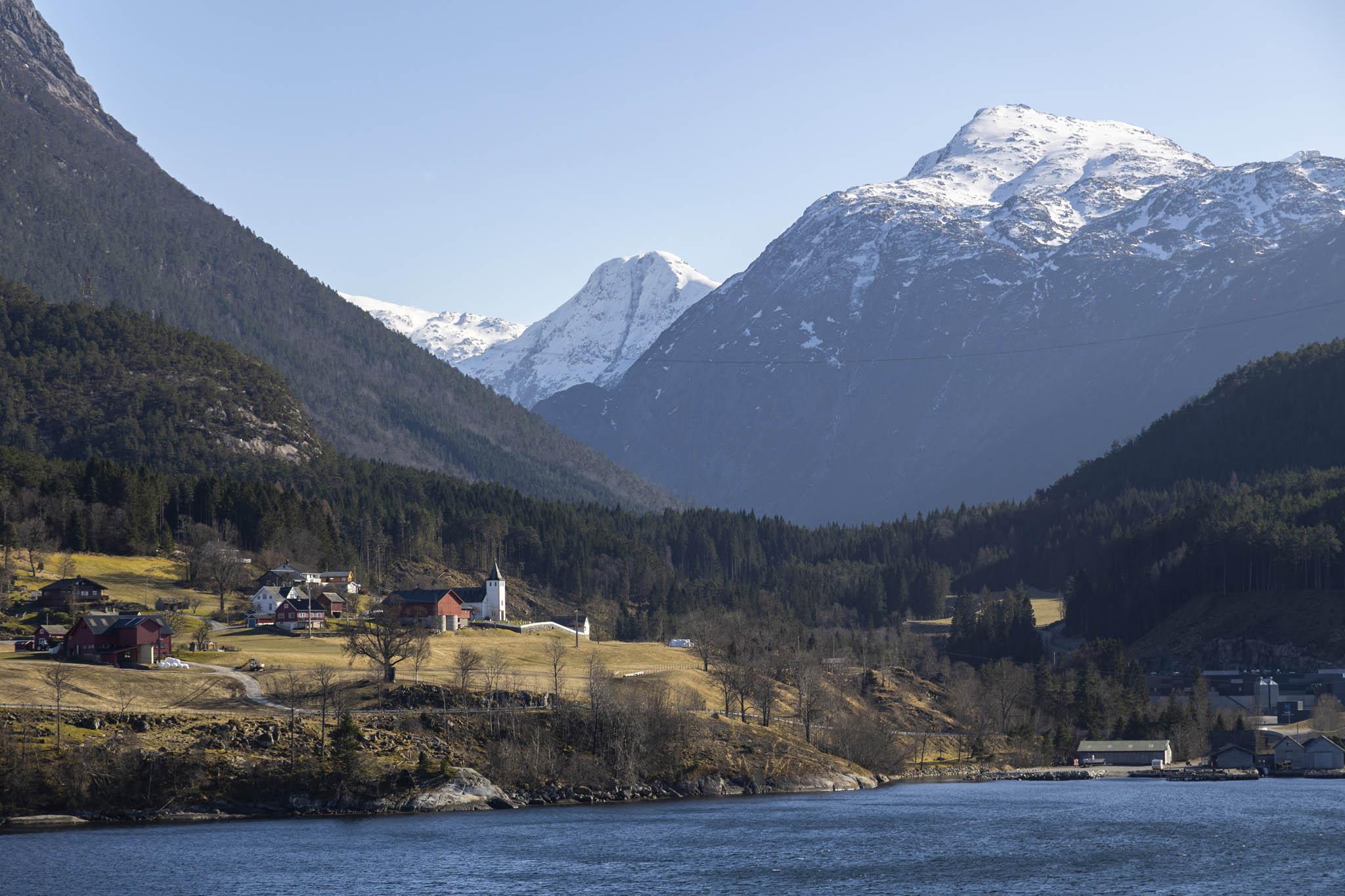
Altro...Been quite a while since I wrote anything on my site - work and heat exhaustion, let's pretend - but it's #TravelTuesday and I have just published a write-up and a load of photos from a cruise last year along Norway's second longest fjord, Hardangerfjord, so here's one as a treat. This is the village of Ænes and it's pretty bloody lovely, I think we can all agree.
#Travel #Photography #Norway #Hardangerfjord #Landscape #LandscapePhotography #Cruise
The Western China route blends imperial history with sacred mountains and Sichuan culture. This itinerary begins in Xi’an, the ancient capital of 13 d
Altro...The Western China route blends imperial history with sacred mountains and Sichuan culture. This itinerary begins in Xi’an, the ancient capital of 13 dynasties, then rises through dramatic peaks, Buddhist grottoes, turquoise alpine valleys, and finally descends into Chengdu’s teahouses, temples, and panda sanctuaries. It is a journey of contrast and elevation, where China’s historical heart meets its spiritual landscapes.
Author & Photographer: George Mitchell
Our itineraries, photos, and advice come from spending four months travelling through China, Hong Kong, and Taiwan during our three‑year round‑the‑world backpacking trip. We are students of art and architecture, culture and cuisine. Those months were a deep immersion into the geography, history, culture, and cuisine of the region — and they completely reshaped how we understood China. Our advice is not influenced by affiliate links — we have none.
Western China Itinerary
Custom Maps: China West Map
The points of interest mentioned in these posts are appended with their Google Maps Ratings, which range from G0 to G5. The place suffix “4N” means 4 nights.
The Western China Itinerary is one of China’s most balanced itineraries — combining history, nature, spirituality, and culture in equal measure. This is the itinerary if you are interested in History & Civilization and Natural Wonders & Landscapes. But is also a great place to explore China’s Modern Cities & Innovation — skylines, tech hubs, high‑speed rail, contemporary architecture, and the energy of China’s urban future.
Xi’an — 4NQin Shi Huang Tomb, Xi’an, China
Western China begins with Xi’an, the ancient capital of 13 dynasties — the city that shaped early Chinese civilization and anchored the early Silk Trade RouteS. This is China’s deep historical core, where imperial unification, Buddhism, and Silk Road culture converge.
Mausoleum of Qin Shi Huang (G4.7) — the vast underground mausoleum of China’s first emperor guarded by thousands of life‑size warriors (often called the Terracotta Army).
Qin Shi Huáng was the first emperor (shi huáng) of a unified China. His Qin Shi Huang Mausoleum complex is guarded by the world‑famous Terracotta Army, a force of roughly 8,000 life‑size clay soldiers and horses created over nearly 39 years. Each statue has a unique face, reflecting the individuality of real soldiers in his armies. The scale, craftsmanship, and ambition of the mausoleum make it one of the most extraordinary archaeological sites on Earth.
Dayanta (G4.5) — one of the earliest pagodas, Giant Wild Goose Pagoda houses the original Buddhist scriptures brought from India via the Silk Trade Routes.
Banpo Archaeological Site (G4.3) — a 6,000‑year‑old Neolithic village and birthplace of early Chinese civilization and pottery
Bell Tower, Xi’an, CC BY-SA (Wikipedia) Edited
Bell Tower (G4.5) — China’s largest bell tower, built as a Ming Dynasty pagoda
Great Mosque (G4.6) — Chinese architectural forms fused with Islamic religious space
Modern Cities & Innovation ThemeXi’an’s High‑Tech Zone is a dense cluster of glass towers, photonics labs, semiconductor campuses, and landscaped boulevards — a modern engine humming beside the ancient capital.
Gaoxin District — sleek towers, laser labs, chip foundries, and modern boulevards.
Gaoxin Boulevard — futuristic pedestrian bridges and plazas
Xi’an Software Park — AI, robotics, and digital‑tech campuses
Luoyang — 3NLongmen Grottoes (G4.7) — one of China’s greatest Buddhist cave complexes
Huashan (G4.6) — dramatic granite peaks and cliffside paths, one of China’s Five Great Mountains
Chengdu — 3N Chengdu offers Sichuan cuisine, temples, teahouses, and a relaxed rhythm of life.
Dujiangyan Irrigation System (G4.5) — a 2,000‑year‑old engineering marvel
Erwang Temple (G4.3) — shrine to China’s legendary hydraulic engineers
Baoguang-si Pagoda (G4.4) — Tang‑dynasty symmetry and quiet power
Chengdu Research Base (G4.6) — giant pandas
Wolong National Nature Reserve (G4.7) — wilder, mountainous panda habitat
Modern Cities & Innovation ThemeChengdu is a national research powerhouse with quantum tech, AI, supercomputing, and future‑industry labs.
Tianfu New Area — Chengdu’s flagship future city.
Chengdu Science & Tech Museum — visitor‑friendly innovation hub
New Century Global Center — one of the largest and surreal buildings in the world
Emeishan — 3NEmeishan (G4.6) — a sacred Buddhist mountain (shan) with a Golden Summit above the clouds, temples, forest trails, and sweeping views over mist‑filled valleys
Optional ExtensionsJiuzhaigou (G4.8) — turquoise lakes, tiered waterfalls, Tibetan villages, and alpine valleys
Mogao Caves (Dunhuang) G4.6 — see 1,000 years of Silk Road Buddhist art
Western China Postshttps://japanencounters.wordpress.com/2025/11/13/rediscovering-xian-ancient-treasures-that-transformed-china/Xi’an: Ancient Treasures That Transformed China
https://japanencounters.wordpress.com/2025/11/11/water-wonders-and-precious-pagodas-3-hidden-gems-of-chengdu/3 Hidden Gems of Chengdu
Northern China + Xi’an RouteAn alternative trip is to include Xi’an with the Northern China Itinerary. Xian is 1,078 km southwest of Beijing. Thanks to high-speed trains, Xi’an can easily be added to form the Northern China + Xi’an route. This is arguably the strongest introduction to imperial and traditional China.
Final CommentsMost pre‑trip research gives travellers nothing more than superficial lists of attractions. This guide was built to do the opposite. We go beyond checklists to reveal the symbolism, history, architecture, regional identity, and atmosphere behind every place — with pre-planned itineraries designed for real travellers, not influencers.
Our goal is simple: to help curious, culturally minded explorers experience China with depth, clarity, and meaning. When you understand the stories behind what you’re seeing, travel becomes richer, more memorable, and far more rewarding.
See China with context. Travel with confidence. Understand what you’re looking at.
Planning Your TripIn the pages below, we answer the big questions every traveller asks when planning a trip to China.
https://japanencounters.wordpress.com/china-visa-requirements/China Visa Requirements
https://japanencounters.wordpress.com/best-time-to-visit-china/Best Time to Visit China
https://japanencounters.wordpress.com/how-to-pace-your-trip/How to Pace Your Trip?
https://japanencounters.wordpress.com/how-to-plan-your-trip/How to Plan Your Trip
https://japanencounters.wordpress.com/finding-the-best-airfares/Finding the Best Airfares
https://japanencounters.wordpress.com/best-travel-apps/Best Travel Apps
https://japanencounters.wordpress.com/top-ten-cities-of-china/Top Ten Cities of China
https://japanencounters.wordpress.com/top-8-scenic-wonders-of-china/Top 8 Scenic Wonders
Before deciding how long to spend in China, make sure to check the Visa Requirements for your nationality. Visa rules vary widely, and they may affect how long you can stay or which regions you can enter.
Understanding ChinaAnother way to prepare for your trip is to understand the culture and history of China. Learn about social norms and cultural values so you know what to expect. Explore the historical periods and their contributions to the world so you can better appreciate the monuments and temples. Take a crash course in Chinese geography and history in Mind-Blowing Facts About China. Be amazed by Surprising Facts About China.
https://japanencounters.wordpress.com/chinese-social-tips/Chinese Social Tips
https://japanencounters.wordpress.com/2025/11/03/cracking-the-code-demystifying-the-chinese-language/Cracking the Code: Demystifying Chinese
https://japanencounters.wordpress.com/2025/10/28/from-ideas-to-inventions-dive-into-chinas-dynamic-dynasties/From Ideas to Innovation: China’s Dynamic Dynasties
https://japanencounters.wordpress.com/2025/10/31/mind-blowing-facts-about-china-that-will-change-your-view/Mind-Blowing Facts About China
https://japanencounters.wordpress.com/surprising-facts-about-china/Surprising Facts About China
Google Maps RatingsGoogle Maps provides a rating from 0 to 5 for all sights, hotels, and restaurants (but not cities). All our recommendations are appended with the rating (prefixed with a G) from Google Maps. Google Ratings are based on feedback from locals as well as tourists. They are much more reliable than travel booking websites or tourist anecdotes. We consider a score of 4 to 4.39 to be Very Good and 4.4 to 5 to be Excellent.
SubscribeEnter your email to get day-by-day itineraries, custom maps, and a ton of trip-enhancing tips!
Leave a comment Cancel reply
All photos and text © Terra Encounters
except where noted CC BY-SA (Creative Commons Wikipedia)
Asia Encounters is a subsidiary of Terra Encounters